Can You Change a Quote After Sending It?
You sent a quotation and something changed — a price, a mistake, or a client who accepted three weeks late. What you can do next depends on one thing: whether they have accepted yet.
You sent a quotation last week. Since then the supplier put their prices up, or you spotted a line you costed wrong, or the client has gone quiet and the figure no longer reflects what the job would cost today. Can you change it?
Almost always yes — and the answer turns on one question: has the client accepted it yet? Before acceptance you are revising an offer, which is largely yours to do. After acceptance you are asking to change an agreement, which needs the other side to agree. Everything else follows from that line.
What follows is the practical version: what to do in each case, how to word it, and where the answer genuinely depends on which country you are in.
Before the client accepts: you can generally revise or withdraw
An unaccepted quotation is an open offer. You can usually replace it with a new one, or take it off the table entirely, as long as you say so before they accept.
Two things matter more than the legal position here.
Say it explicitly. Send the revised quotation and state plainly that it supersedes the earlier one. A client working from an old PDF is not being difficult — they are working from the last thing you sent them.
Give the reason in one line. "Steel has gone up 9% since the original quote" is a fact a client can check and accept. Silence invites the suspicion that the first price was made up, which costs you more than the price rise.
The exception worth knowing about
If you told the client the price was held open for a set period, you have made a commitment that some legal systems will hold you to, and your own reputation certainly will.
How far that goes varies. In the United States, for example, the Uniform Commercial Code § 2-205 makes a merchant's signed written offer irrevocable "during the time stated or if no time is stated for a reasonable time, but in no event may such period of irrevocability exceed three months". That is a US rule, about merchants, about signed writings — it is not a worldwide default, and you will see it misquoted online as though a quote is automatically valid for three months everywhere. It is not.
The commercial point survives the legal variation: if you wrote "valid for 30 days", honour the 30 days or have a very good reason.
After the client accepts: you are into variations
Once they have accepted, the price is generally the price. A quotation is a fixed figure — that is what separates it from an estimate — and changing it is no longer a revision but a request to vary something both sides agreed.
That does not make it impossible. It makes it a conversation rather than a document reissue. In practice a change after acceptance falls into one of three cases:
The client asked for something extra. Straightforward: quote the extra work separately, get it agreed, and keep it as its own line rather than folding it silently into the original total.
The job turned out bigger than either of you knew. Tell them as soon as you know, before doing the work, and get the variation agreed in writing. Discovering a problem is normal; billing for it unannounced is what causes disputes.
You made a mistake. This is the difficult one, and it is covered below.
In UK consumer work the Citizens Advice guidance puts the default plainly: a quote is a fixed price and the trader cannot charge more than it, unless the customer asked for extra work, or was told extra work was needed and agreed to pay for it, or the trader "made a genuine mistake when writing down or calculating the price". That is UK consumer law rather than a global rule, but it describes the expectation most clients anywhere will bring to the conversation.
If you made a pricing mistake
Tell them, quickly, and in plain words. A mistake found and raised the same week is an inconvenience. The same mistake discovered on the final invoice is a dispute.
How much protection you have depends on the kind of mistake and where you are. A transposed figure — £4,500 written as £450 — is obvious on its face, and most systems treat an obvious error differently from a price the client could reasonably have believed. A margin you now regret is not a mistake in the same sense, and no one will treat it as one.
The practical sequence:
Contact them before any more work happens.
Say what the error was and show the corrected figure. Not "the price has changed" — "line 4 was priced per metre and should have been per square metre".
Offer something if the delta is large and the error was clearly yours: absorb part of it, or hold the old price on the portion already done.
Put the corrected version in writing as a new, numbered quotation.
When a client accepts a quote that has expired
This happens constantly. The quote said valid for 14 days, the client comes back on day 40 and says "yes please, when can you start?"
Two things you should not do. Do not silently honour a price that no longer works — you will resent the job for its whole duration. And do not reply with a flat refusal, because from the client's side they have just said yes to you.
The useful reply is short and has three parts: acknowledge, explain, requote.
"Glad you want to go ahead. That quote expired on 14 October and material costs have moved since — I'm attaching an updated version, QT-1043-B. The labour is unchanged; the only difference is the worktop line. It's valid until 20 November."
Sometimes honouring it anyway is the right commercial call — a small difference, a client you want to keep, a quiet week. Make that a decision rather than a default.
How to revise a quotation properly
Four habits that prevent most of the arguments.
Version it, never overwrite
Give the new one a version: QT-1043-B follows QT-1043-A. Keep the old file. When somebody eventually asks "what did we agree?", you want two documents with different names, not one file that quietly changed.
State what changed, in one line
Near the top: "Replaces QT-1043-A. Worktop line re-priced; all other lines unchanged." The client can then read the difference in five seconds instead of comparing two PDFs line by line.
Reset the validity date
A new quotation gets a new expiry. Carrying the old date over is how a revision quietly inherits a deadline that has already passed.
Withdraw the old one in writing
One sentence in the covering email: "This replaces the quotation sent on 3 October, which no longer applies." Cheap to write, and it removes the entire class of argument where two versions are both live.
Clauses that save you the conversation entirely
Most revision problems are prevented at the point the first quotation is written. Four lines worth having on yours:
An explicit expiry. "Valid until 14 October 2026" — a date, not a duration. "Valid for 30 days" makes the reader count, and they will count from the wrong day.
A price-movement trigger. "Prices are based on supplier costs at the date of this quotation and may be revised if those costs change before acceptance." One sentence, and the awkward conversation is pre-agreed.
A scope line. What is not included, named. Most variations start as an assumption nobody wrote down.
What acceptance means. "Acceptance by email reply or signature below." It tells you when the offer stopped being an offer, which is the line this whole article turns on.
Where the answer depends on your country
Three points worth stating plainly, because a lot of writing on this topic asserts one country's rules as if they were universal.
Whether a quotation is a binding offer depends on how it is worded and where you are. Pages that flatly say "a quote is never legally binding" are wrong in several jurisdictions — a sufficiently definite price, clearly meant to be accepted, can be exactly that.
There is no global default validity period. If you leave the expiry off, what happens ranges from "a reasonable time" to whatever your local law says. The three-month figure that circulates online comes from a US merchant rule and does not travel. This is an argument for always stating a date, not for relying on a default.
The quote-versus-estimate distinction is not universal. It is strong in UK and Australian consumer practice and common in the trades elsewhere, but many legal systems have no equivalent split. Label which one you are sending regardless — it is good practice everywhere, even where it is not a legal category.
For anything with real money attached, this is a question for someone who knows your jurisdiction.
Making the revised version
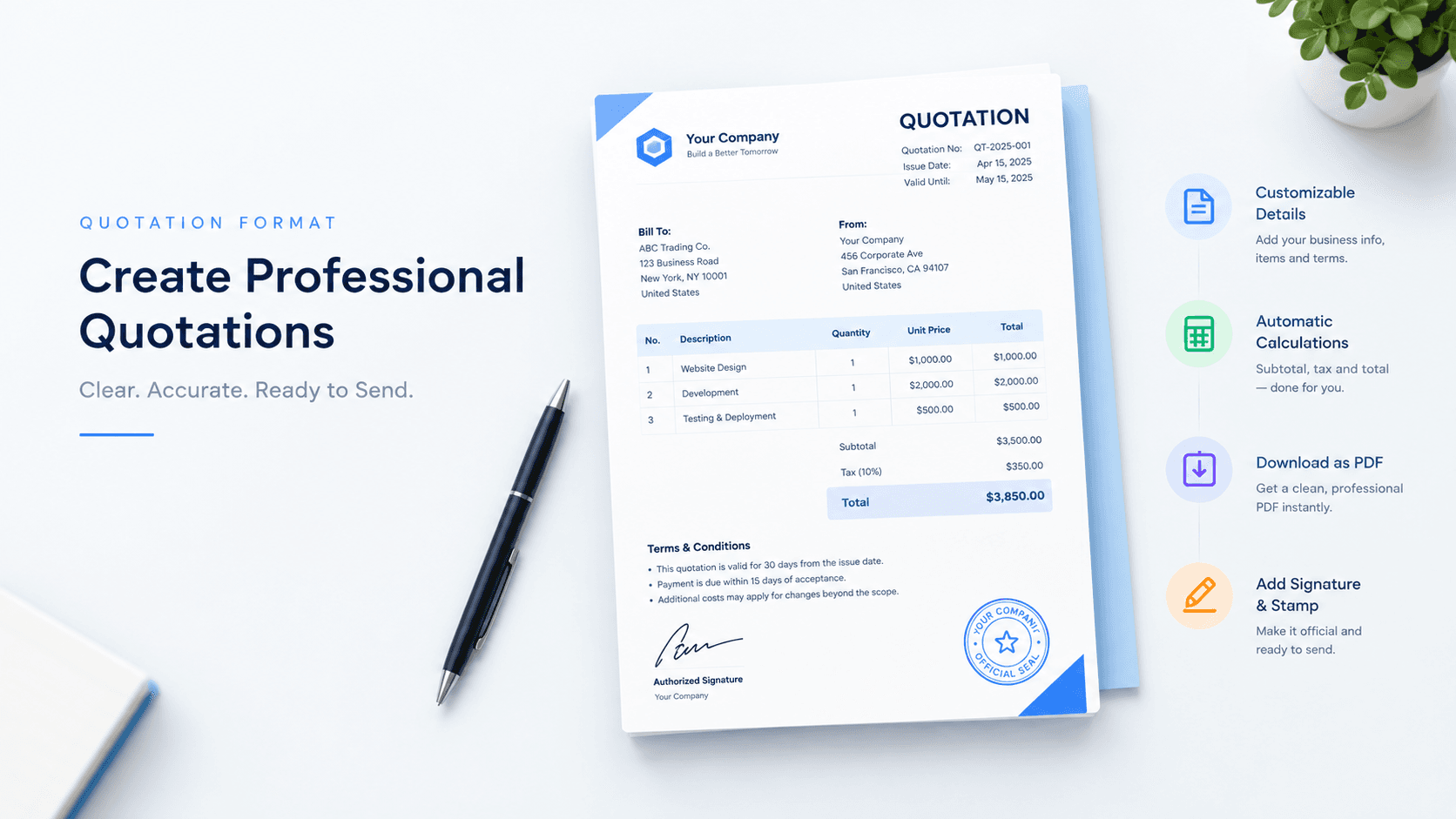
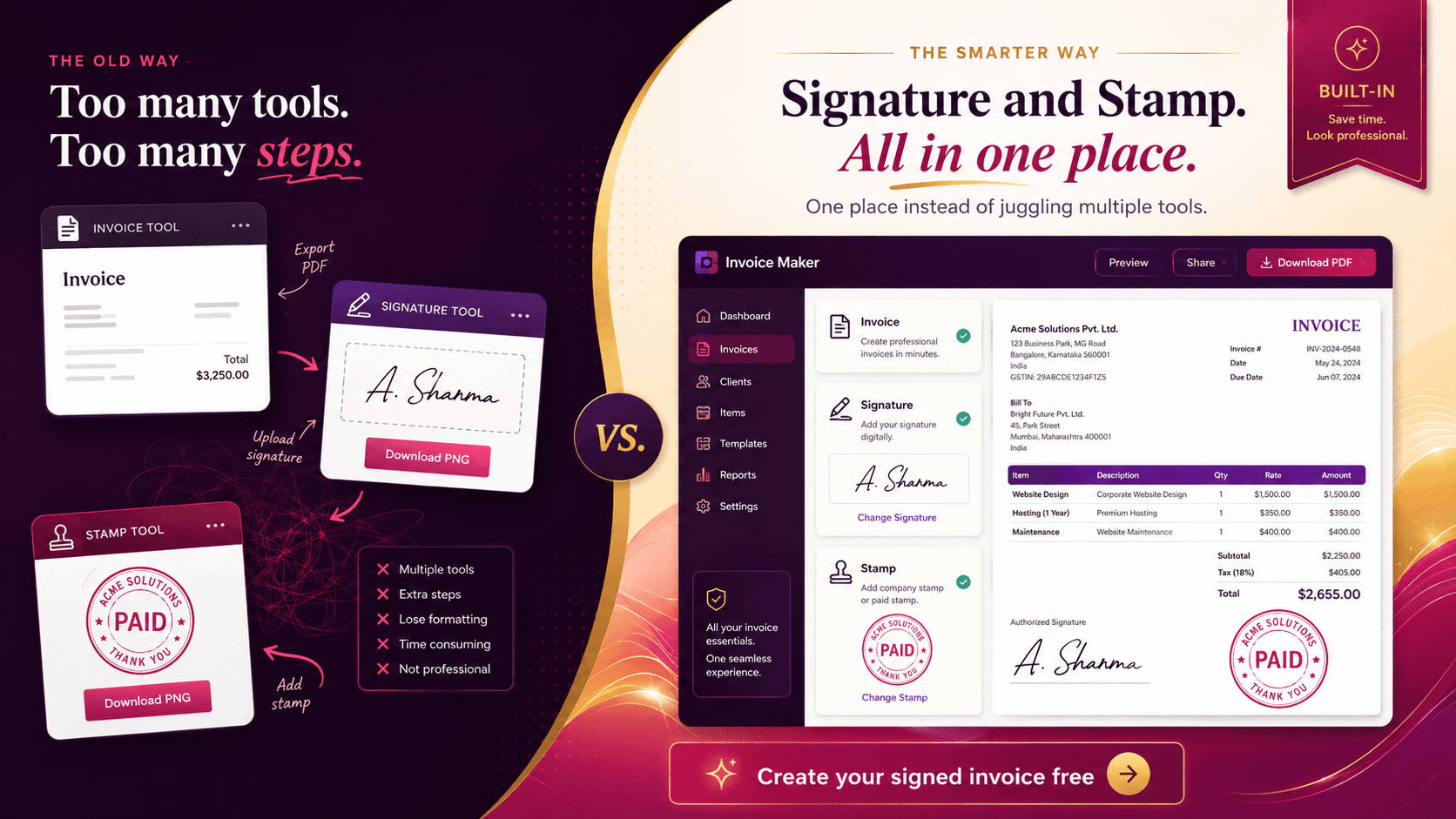
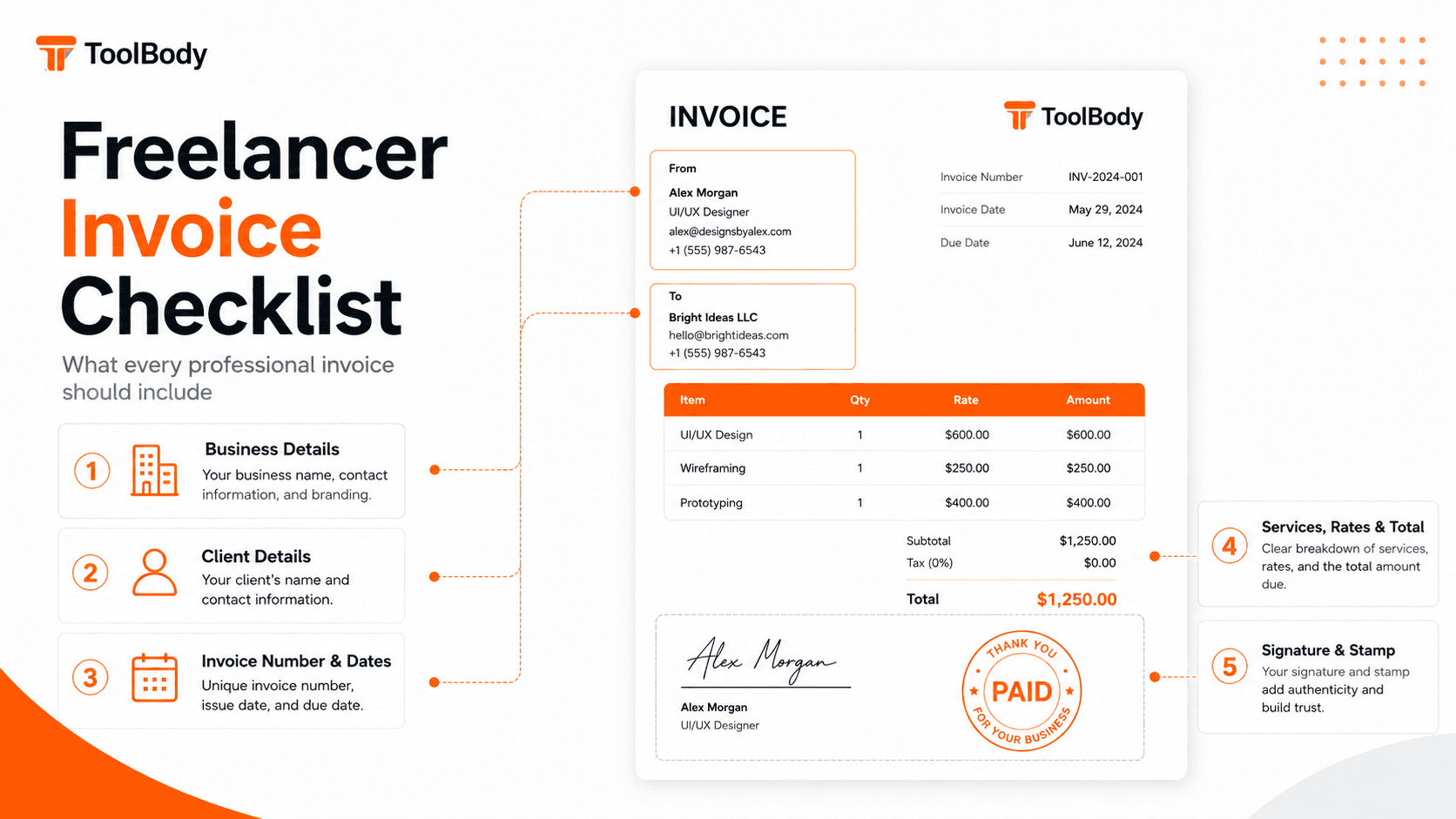
The free quotation maker builds a print-ready PDF with priced line items and a valid-until date, which is the field most of this article is really about. For a revision, change the reference to the next version, update the line that moved, reset the expiry, and send it with one sentence saying what it replaces.
If you are writing the first version rather than revising one, the guide to quotation format covers what belongs on it and how to lay it out.
The short version
Before acceptance you are revising an offer and can generally change or withdraw it — say so explicitly and give a reason. After acceptance you are asking to vary an agreement, which needs the client's agreement too. Mistakes should be raised immediately rather than absorbed or hidden. And nearly all of it is avoided by putting an explicit expiry date and a scope line on the first quotation you send.
FAQs
Usually yes, if the client has not accepted it yet — an unaccepted quotation is an open offer and you can revise or withdraw it, provided you say so before they accept. Once they have accepted, the price is generally the price, and changing it becomes a variation that needs their agreement rather than something you can do on your own.
Then honour the 30 days unless you have a strong reason not to. Some legal systems treat a stated period as a commitment that limits your ability to withdraw, and your reputation will treat it that way regardless. If costs move inside a period you promised, absorbing the difference on that one job is usually cheaper than the conversation.
Generally no, because the offer lapsed on the date you set. The useful response is not a flat refusal though: acknowledge that they want to go ahead, say briefly what has changed, and send an updated version with a new expiry. If the difference is small and the client is one you want, honouring it can be the right commercial call — just make it a decision rather than a default.
That depends on where you are and on how the quotation was worded, so it is not a question that has one worldwide answer. As a practical matter an expiry date exists precisely so the offer stops standing on that day. If real money turns on it, ask someone who knows the law where you operate.
It depends on the kind of mistake and the jurisdiction. An obvious error — a figure with a digit missing — is treated differently in most systems from a price the client could reasonably have believed was intended. UK consumer guidance, for example, lets a trader charge the correct amount where they made a genuine mistake in writing down or calculating the price. Raise it immediately either way; a mistake found on the final invoice becomes a dispute.
Say so in writing, before the client accepts. One sentence is enough: the quotation sent on that date no longer applies, with a reason if you have one. The risk is not the wording — it is leaving an old PDF live in somebody's inbox while you assume it has gone away.
Give an exact date. Valid until 14 October 2026 needs no arithmetic and cannot be counted from the wrong day. A duration makes the reader work out the deadline themselves, and they will use the date they opened the email rather than the date you sent it.
Timing. Revising happens before acceptance, while the quotation is still just an offer you can change. A variation happens after acceptance, when there is an agreement in place and both sides have to agree to alter it. Conflating the two is what causes most quote disputes: sending a higher figure after acceptance and calling it a revision is really asking for a variation without asking.
Give it a version rather than reusing the reference: QT-1043-B follows QT-1043-A. Keep the old file, state near the top what changed and which document it replaces, and reset the validity date. When somebody asks months later what was agreed, two clearly-named documents settle it and one silently-edited file does not.